
Neuro-Tech Devices
The Vagus Nerve, Explained
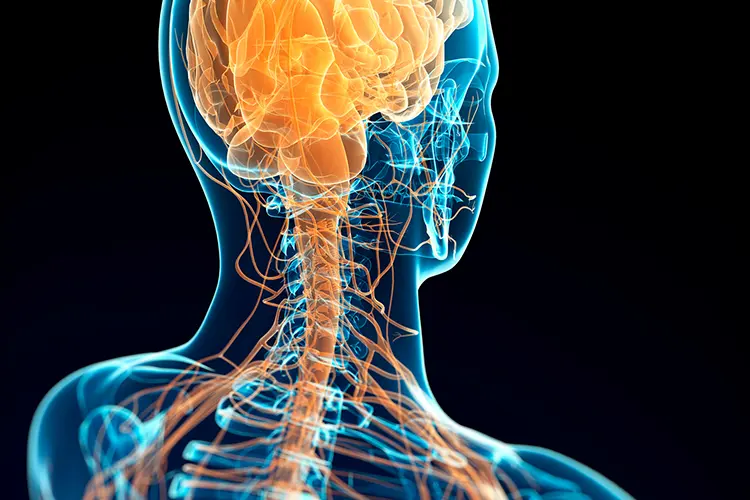
You keep seeing "vagus nerve" mentioned for stress relief. Here's what it actually is, what it does, and what stimulating it can realistically achieve.
Whether it's a mind that won't switch off, sleep that isn't restoring you, or a fog you can't think through — you're in the right place. We help you understand what's actually going on, and what's genuinely worth trying.
Most people arrive here with one of three things on their mind: they can't sleep properly, they feel mentally foggy, or they're carrying a level of daily stress that doesn't seem to shift. Everything on this site sits in one of those three areas.

There's a lot of noise in this space — devices, supplements, breathing techniques, sleep trackers — and it's genuinely hard to know what's worth the time and money. We go through the research so the guides here give you an honest picture of what's likely to help, what's unlikely to, and what's simply unknown yet.
These three guides cover the most common starting points — why your nervous system reacts the way it does, what's behind poor sleep, and what brain fog actually means. Each one links to more specific guides in its area.
You keep seeing "vagus nerve" mentioned for stress relief. Here's what it actually is, what it does, and what stimulating it can realistically achieve.

Poor sleep is rarely one problem — it's usually several overlapping ones. This guide works through the most common causes and what's actually worth changing first.
A diagnostic-style walk-through of the likely causes — sleep, stress, menopause, ageing, nutrition.
From nervous system basics to specific devices and foods, these guides go deeper into the areas people most often want to understand better.
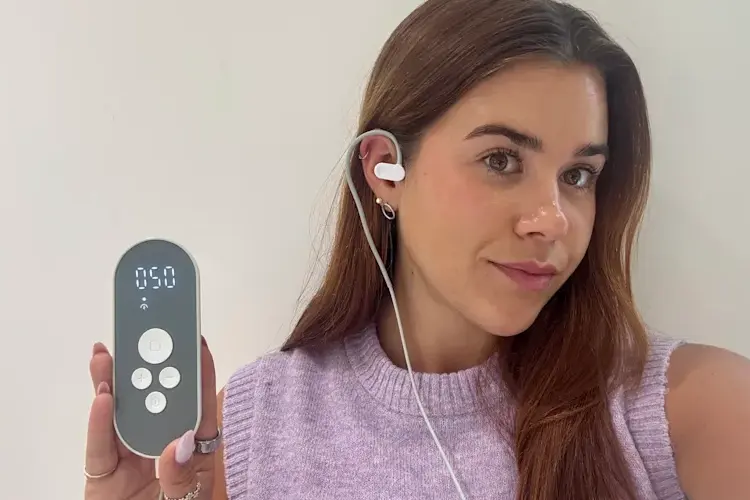
Thinking about buying one? Here's what the clinical trials actually showed — and what the CE mark does and doesn't guarantee.
Brain fog during perimenopause is widely reported and frequently dismissed. Here's why it happens, what it's connected to, and what the research suggests might help.

Before spending on a device — cold water, slow breathing, and humming all have some science behind them. Here's what that science actually shows.
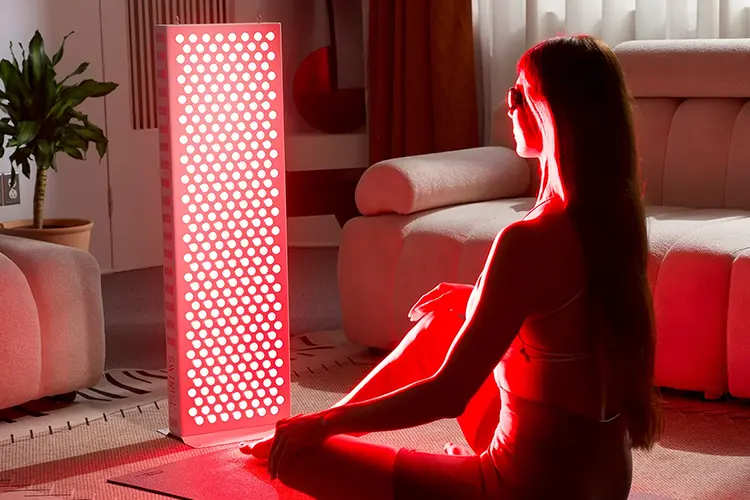
Red light panels are marketed heavily for skin. The sleep claims are a different story — here's what the evidence does and doesn't support.
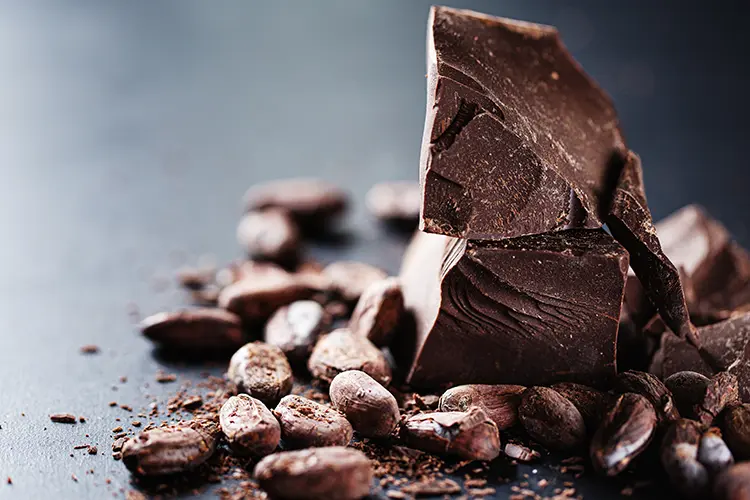
Can what you eat actually improve mental clarity? Some foods have decent research behind them. Others are mostly packaging. Here's which is which.
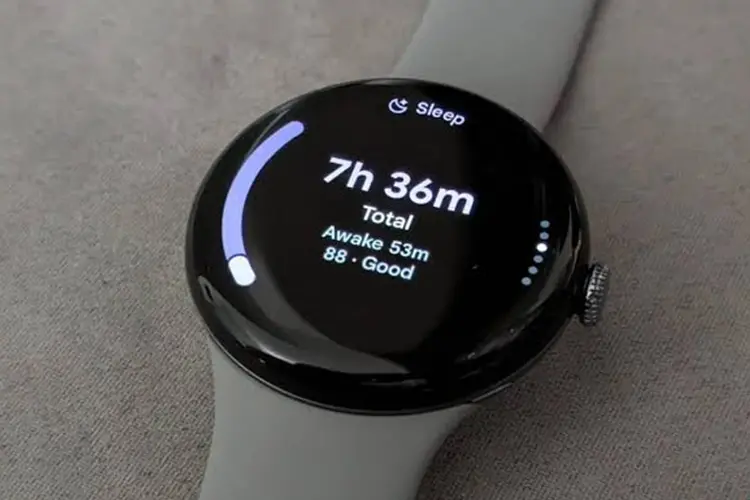
Your sleep score looks precise. But how accurate is it really? We compared consumer wearables against the clinical standard — the results are worth knowing.
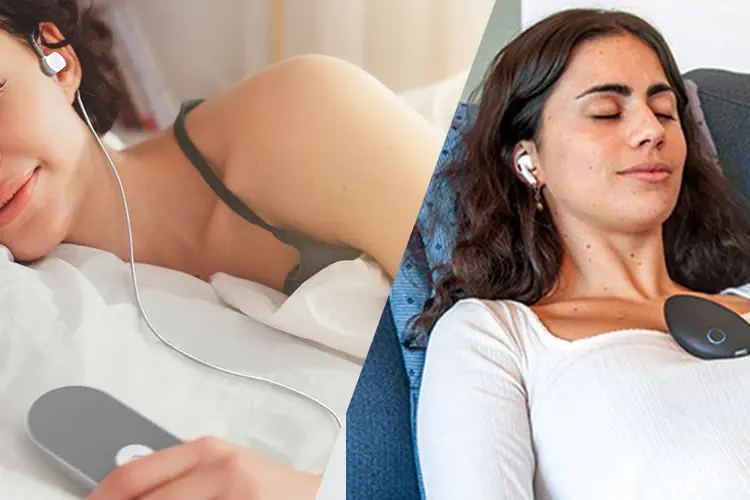
They're both sold as vagus nerve devices — but they work through completely different mechanisms and have very different research behind them.

New here? This is the guide that ties everything together — what the nervous system is actually doing under stress, and why it matters for sleep and brain fog too.